As temperatures begin rising across the Lower Mainland, your HVAC system needs to be ready before the first major heat wave hits. Whether you live in Delta, Surrey, Richmond, Tsawwassen, or White Rock, early seasonal maintenance can help improve cooling performance, lower energy costs, and reduce the risk of unexpected AC repair during peak summer temperatures.
Many homeowners wait until their system struggles before calling for service, but preventative HVAC maintenance in BC can save both money and stress.
Why Summer HVAC Prep Matters in BC
BC summers can be unpredictable, with mild days quickly shifting into intense heat events. During peak demand, air conditioning systems work harder, and neglected equipment is far more likely to fail when you need it most.
Preparing your AC for summer helps:
- Improve cooling efficiency
- Lower monthly utility bills
- Extend equipment lifespan
- Prevent emergency breakdowns
- Improve indoor air quality
- Keep your home consistently comfortable
For homeowners booking air conditioning maintenance in Delta or an AC tune up in Surrey, spring and early summer are often the best times to schedule service.
Step 1: Replace or Clean Your Air Filter
One of the simplest but most important summer HVAC tips is checking your air filter.
Dirty filters can:
- Restrict airflow
- Reduce cooling performance
- Increase energy use
- Strain system components
- Worsen indoor air quality
Most homes should check filters every 1 to 3 months, especially if you have pets, allergies, or wildfire smoke exposure.
Step 2: Clear Debris Around Outdoor Units
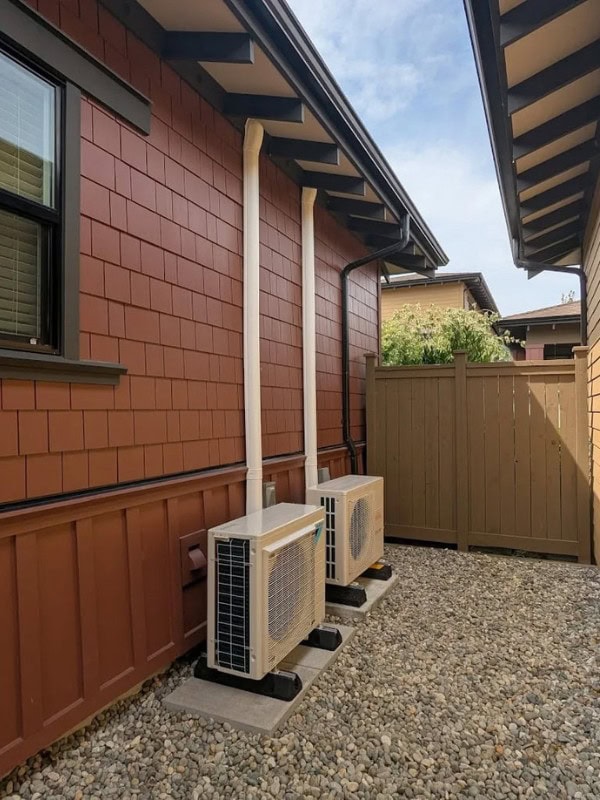
Your outdoor condenser unit needs proper airflow to function efficiently.
Before summer:
- Remove leaves and branches
- Trim vegetation back at least 2 feet
- Clean dirt buildup around coils
- Ensure the unit is level and unobstructed
Restricted airflow can significantly reduce lower mainland cooling performance.
Step 3: Test Your Thermostat Early
Don’t wait for a 30°C day to discover your thermostat isn’t working properly.
Test by:
- Switching from heat to cool mode
- Checking temperature accuracy
- Replacing batteries if needed
- Upgrading to a programmable or smart thermostat if outdated
Smart thermostats can improve cooling efficiency by automatically adjusting usage patterns.
Step 4: Inspect Vents and Airflow
Blocked or dirty vents can create uneven cooling and force your system to work harder.
Make sure:
- Vents are open and unobstructed
- Furniture is not blocking airflow
- Dust is removed from registers
- Rooms are cooling evenly
Poor airflow is one of the most overlooked HVAC seasonal maintenance issues.
Step 5: Schedule a Professional AC Tune Up
Professional service is one of the best ways to catch small issues before they become costly summer repairs.
A trusted HVAC company in Delta or Surrey may inspect:
- Refrigerant levels
- Electrical components
- Capacitors and motors
- Thermostat calibration
- Drain lines
- Condenser and evaporator coils
- System safety controls
An annual AC tune up in Surrey or Delta can improve reliability during BC’s hottest months.
Common Summer HVAC Problems Preventative Maintenance Can Help Avoid
Without proper maintenance, homeowners often face:
AC Not Cooling Properly
Often caused by dirty coils, low refrigerant, or airflow restrictions.
Frozen Evaporator Coils
Can result from blocked airflow or refrigerant issues.
Higher Hydro Bills
Inefficient systems use more energy to cool the same space.
Emergency Breakdowns
Minor issues can escalate under heavy summer demand.
Cooling Efficiency Tips for BC Homeowners
In addition to HVAC maintenance, these habits can help improve cooling performance:
- Close blinds during peak afternoon heat
- Seal air leaks around windows and doors
- Use ceiling fans to circulate air
- Avoid drastic thermostat changes
- Keep interior doors open for airflow balance
- Limit heat generating appliances during hot afternoons
These cooling efficiency tips can reduce strain on your system while improving comfort.
Don’t Forget Indoor Air Quality
Summer HVAC prep isn’t only about temperature. BC wildfire smoke and allergens can impact indoor air quality.
Consider:
- HEPA or upgraded filtration
- Air purifiers
- Duct cleaning if needed
- Humidity control solutions
A well maintained HVAC system supports both cooling and healthier indoor air.
When to Replace Instead of Maintain
Maintenance is essential, but if your system is older or struggling repeatedly, replacement may be more cost effective.
Signs include:
- System age over 10 years old
- Frequent repair calls
- Rising energy bills
- Uneven cooling
- Loud operation
A professional HVAC company in Delta can help assess whether seasonal service or replacement makes more sense.
Final Thoughts
Preparing your HVAC system for summer in BC is one of the smartest ways to protect your comfort, budget, and equipment lifespan. From simple filter changes to professional air conditioning maintenance in Delta or an AC tune up in Surrey, early action can help you avoid expensive surprises when temperatures rise.
A little preparation now can mean better cooling, lower bills, and greater peace of mind all summer long.
HVAC Maintenance BC FAQs
How often should I service my HVAC system in BC?
Most systems should be professionally serviced at least once a year, ideally before summer.
What is included in an AC tune up?
A typical tune up includes cleaning, refrigerant checks, electrical inspection, thermostat testing, and airflow evaluation.
How can I improve cooling efficiency without replacing my system?
Regular filter changes, thermostat optimization, sealing drafts, and professional maintenance can all improve performance.
Is HVAC maintenance really necessary every year?
Yes, annual maintenance can help prevent breakdowns, improve efficiency, and extend system lifespan.
When should I prepare my AC for summer?
Spring is typically the best time, before temperatures spike and HVAC service demand increases.